01
Energy and state-asset protection
Asset integrity, corrosion management and engineering inspection, to extend operating life and cut avoidable losses.
Independent Iraqi research organisation · Registration No. 1SB2303021
Asfar produces strategic studies and analysis that support decision-making and strengthen national and regional dialogue. It applies the AIM methodology to carry every issue from diagnosis, through knowledge analysis and a decision matrix, into initiative design, institutional implementation and measured impact.
The thesis
Our remit
01
Asset integrity, corrosion management and engineering inspection, to extend operating life and cut avoidable losses.
02
Environmental compliance, climate, carbon, water and waste, held inside an auditable framework.
03
Horizon scanning, scenario planning and early warning, to read risks and openings before they arrive.
04
Public policy analysis, regulatory frameworks and the institutional models that carry a decision.
05
The risks bearing on national resources, facilities and the continuity of vital services.
AIM — Asfar Impact Methodology
01
Detecting the early signals of a problem before it hardens into a crisis, and framing what is actually at stake.
02
Mapping the links between an issue’s causes and its effects, so a remedy does not simply move the damage elsewhere.
03
Testing the available options against several plausible futures rather than a single forecast.
04
Tying every proposed action logically to the outcome it is meant to produce, with the assumptions made explicit.
05
Running delivery against results rather than a list of activities, with a partner that holds the decision.
06
Measuring the change that actually occurred, publishing it, and feeding what was learned back into the next file.
Impact register
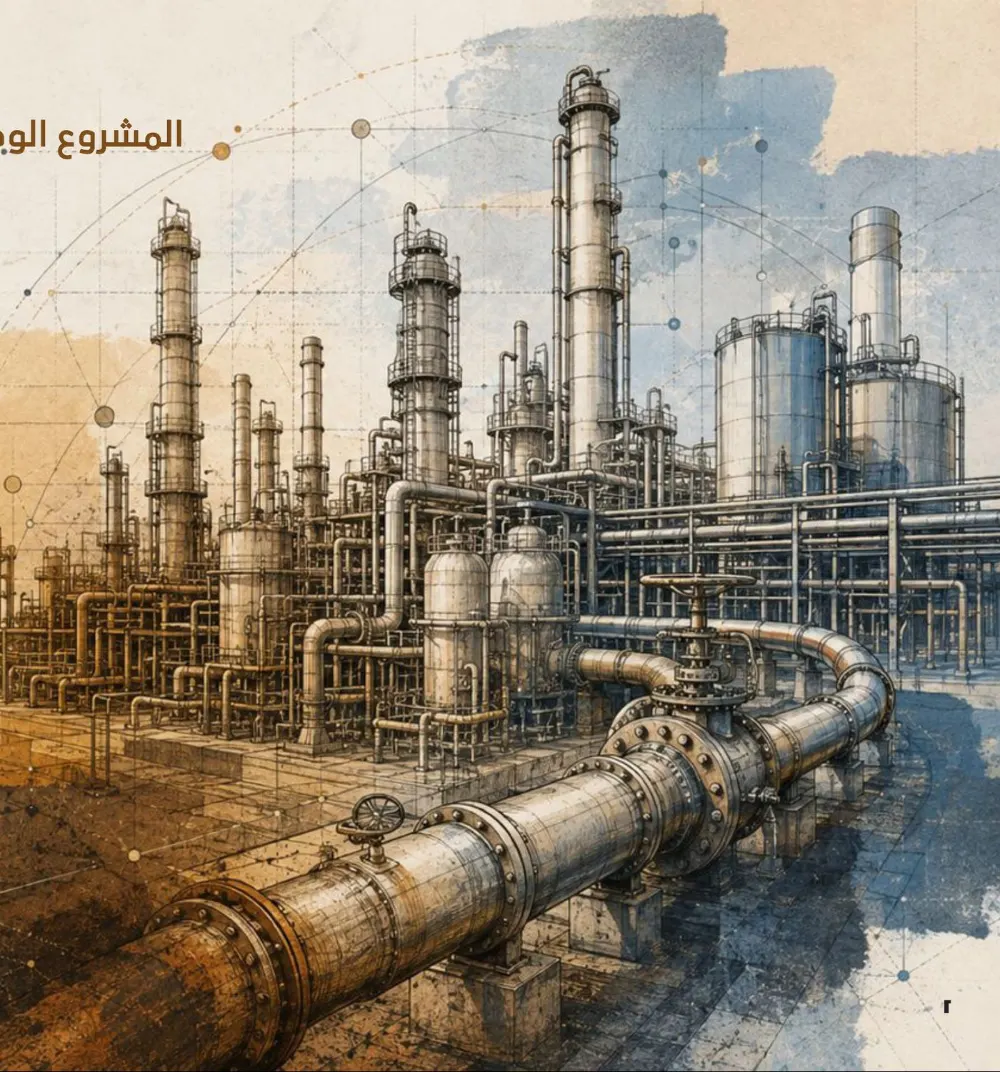
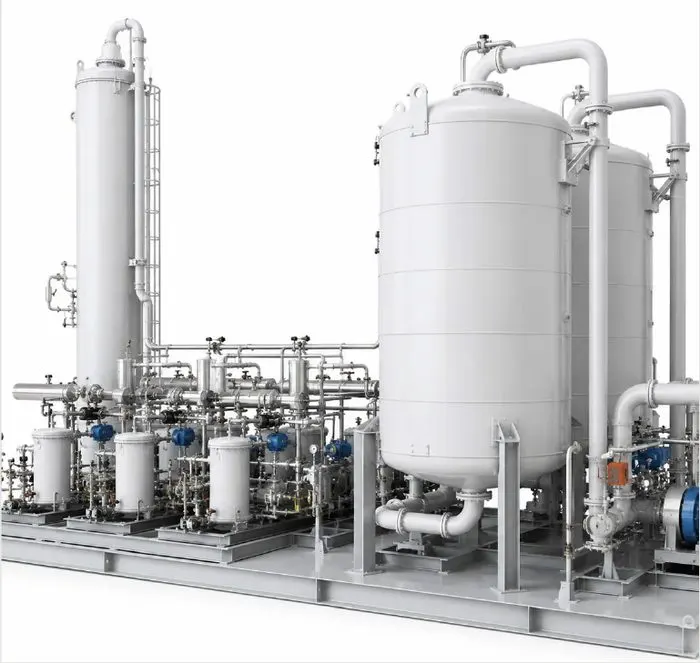
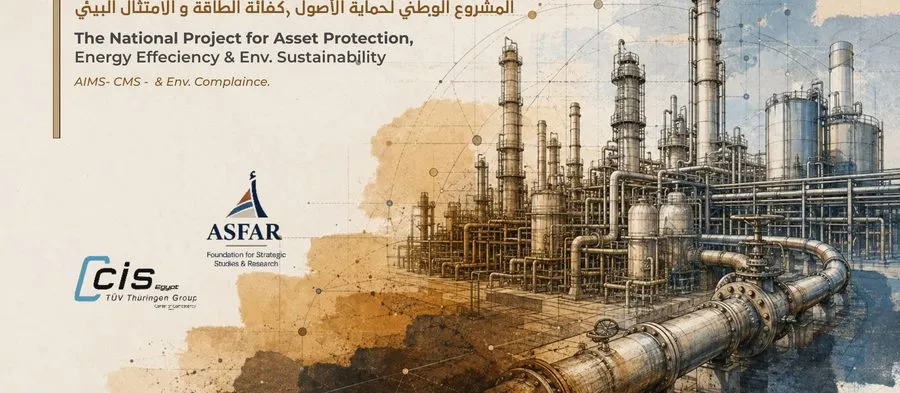
A national initiative proposing a protection and periodic-monitoring regime for pipeline networks and storage tanks, turning diagnostic findings into a procedure that can be formally adopted.
Building a national capacity to inventory emissions and verify them against internationally recognised standards, ahead of carbon pricing mechanisms reaching Iraq’s exports.
A signed agreement carrying research output into accredited inspection and certification services delivered inside Iraq, rather than contracted abroad.
The applied arm
This is where a study reaches the ground: nine service pillars that turn environmental obligation into an auditable procedure, resting on ISO 14064, the GHG Protocol and the IFC Performance Standards.
01
02
03
04
05
06
07
08
09
Video
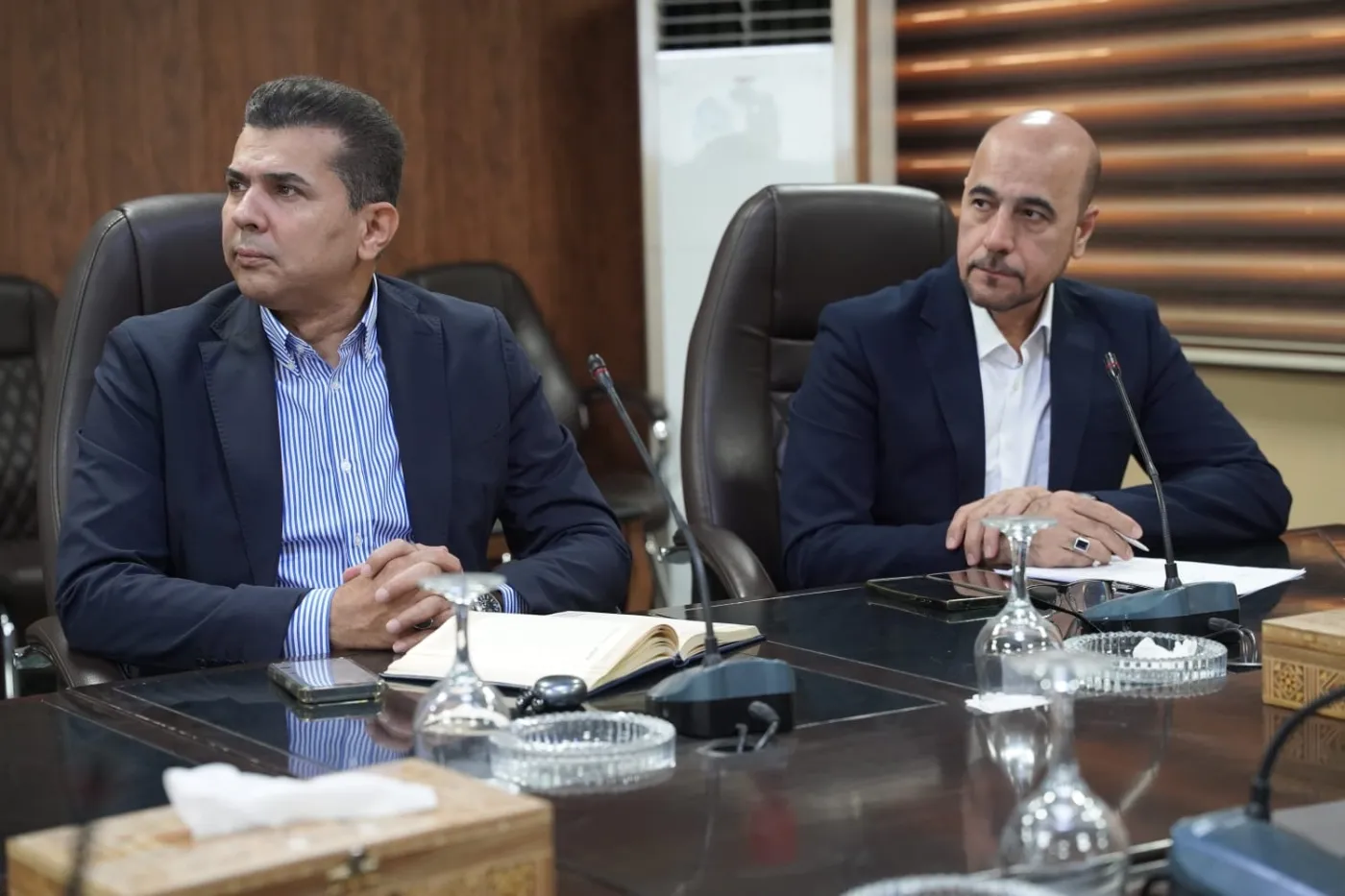
Al-Yarmouk Hotel, Baghdad — Tigris Hall. Signed by Amir Al-Mousawi, Chairman of the Board of Asfar Foundation, and Adel Afifi, Regional Director of CIS.
Partners
Partner in capacity building, specialised training and institutional development — supporting the delivery of initiatives and converting knowledge into working capability inside institutions.
Technical and strategic partner in engineering inspection, asset-integrity and corrosion management, and the engineering services tied to critical sectors.
Research & publications


Activities
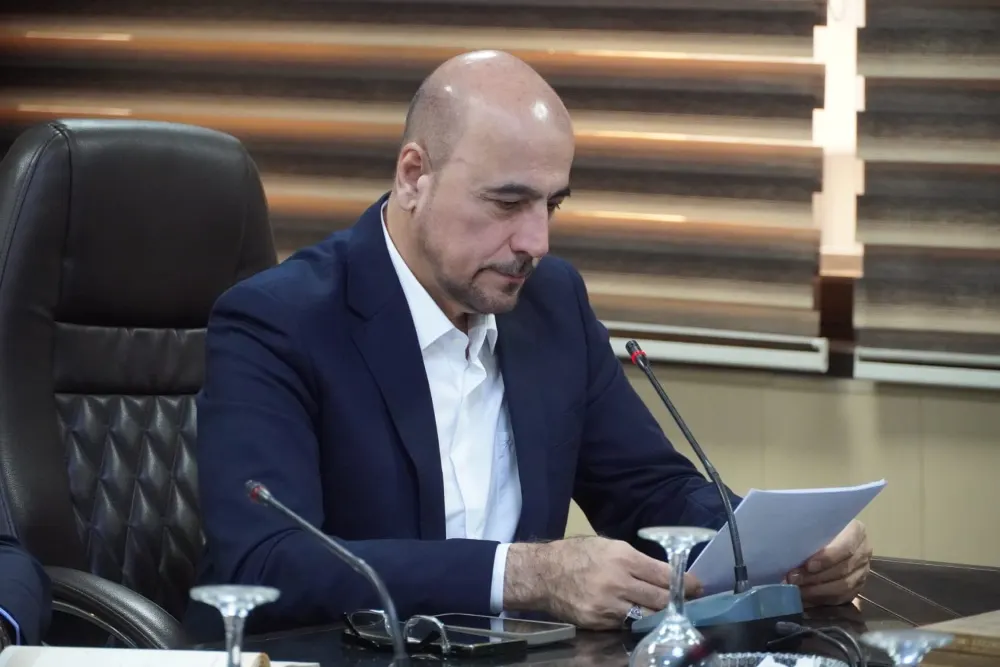
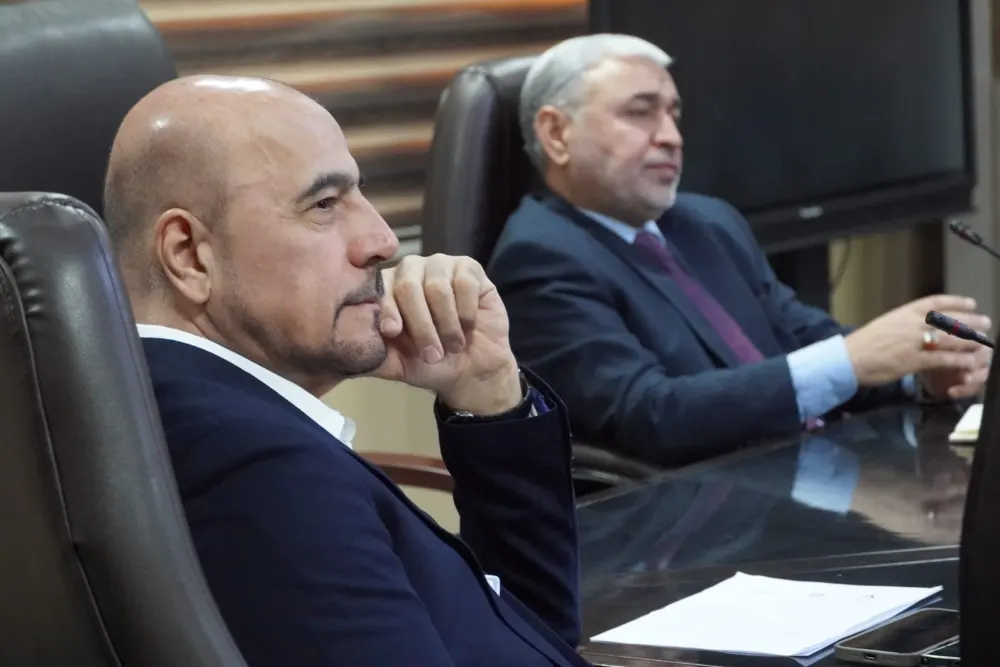
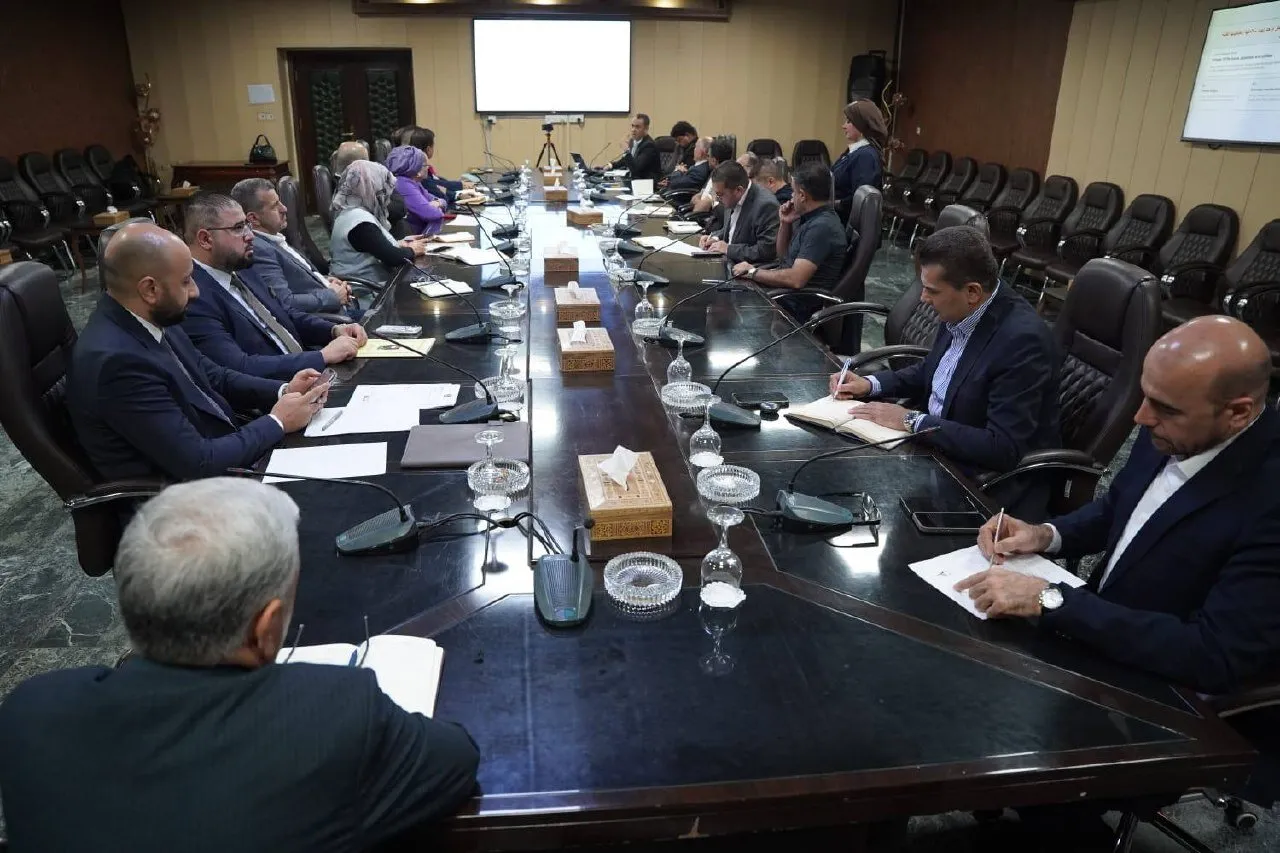
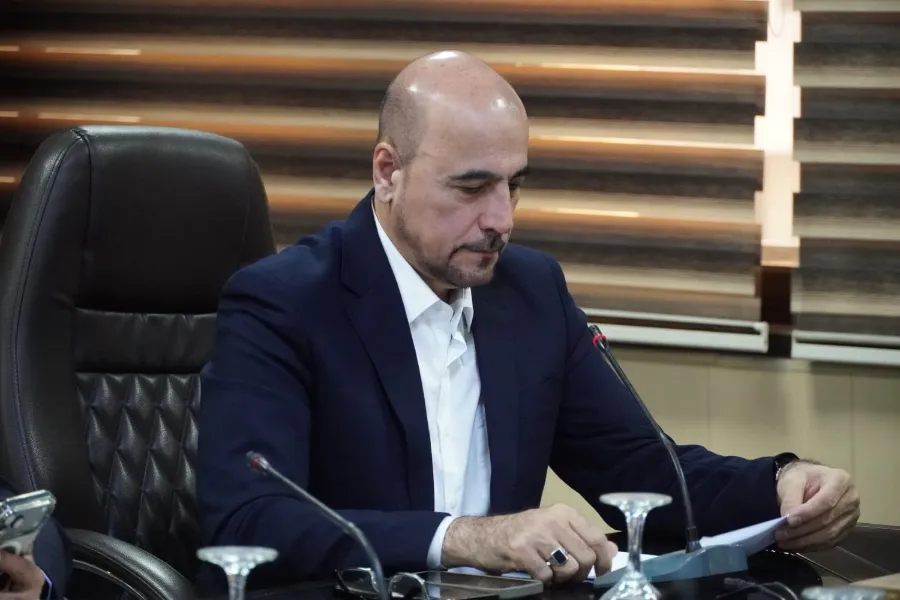
Opened by the Chairman of the Board: “Protecting the value of state assets, raising their efficiency and reliability, reducing avoidable losses, and building a sustainable Iraqi capacity to manage them.”
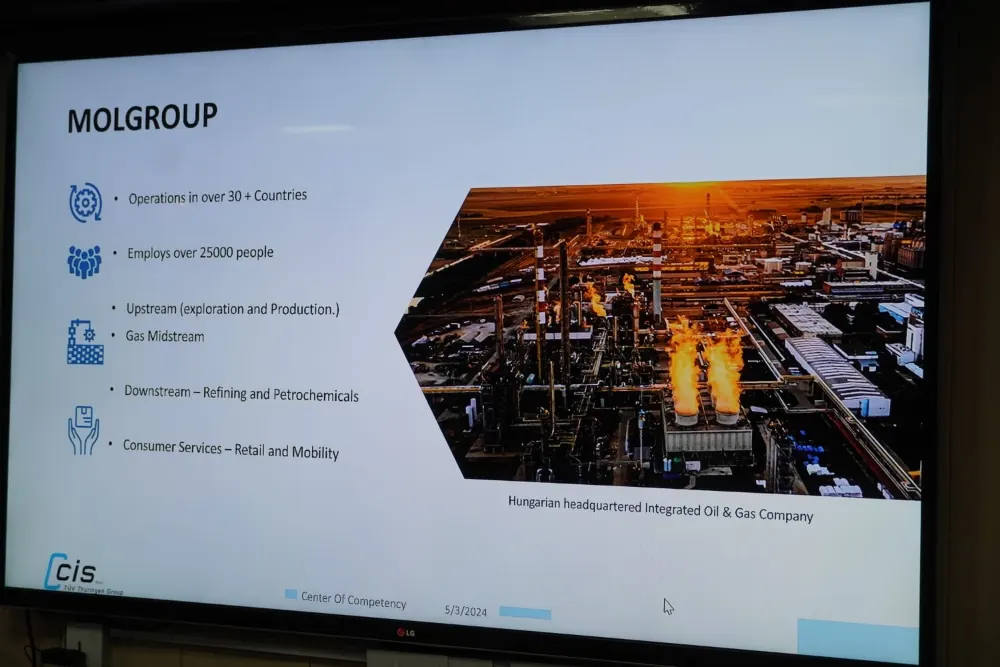
Attended by the State Company for Oil Projects, the Occupational Health and Safety Directorate, the IT Directorate and the Oil Pipelines Company.